The Month You Ditched Gas Fees: A Real-World Cost Diary of Life on Hedera
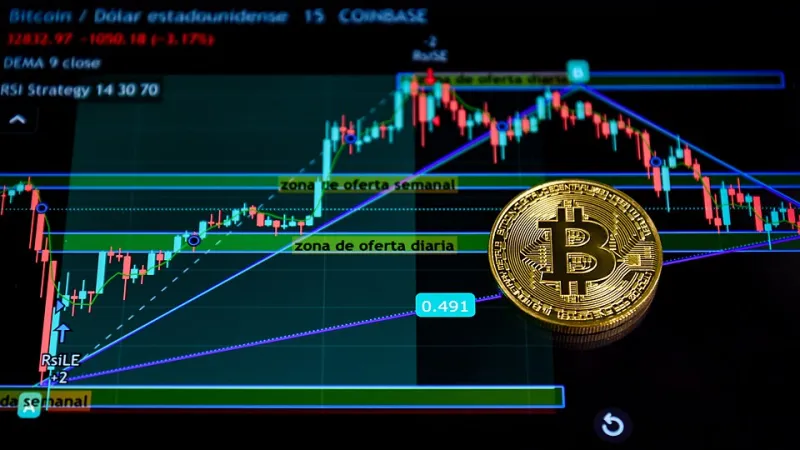
Photo: Jorge Franganillo, CC BY 2.0, via Wikimedia Commons
There's a special kind of pain that comes from clicking 'confirm' on a swap and watching $43 evaporate before the transaction even lands. Crypto folks on gas-fee networks have a name for it — the regret tax. If you've been on Ethereum during a busy afternoon, you know exactly what we mean.
Here at HashPack Hub, we figured the best way to explain Hedera's fee structure isn't with charts and jargon. It's with a diary. So let's walk through a hypothetical month with three very different users and see what their activity actually costs.
Why Hedera Fees Don't Swing Wildly
Quick primer first: Hedera doesn't use an auction-style fee market where everyone bids up the price to get their transaction included. Instead, fees are fixed and priced in dollars, then denominated in HBAR. A standard HBAR transfer costs roughly $0.0001. Not a typo. One-tenth of a cent.
That stability is the whole pitch. Whether the network is sleepy on a Sunday or buzzing after a big announcement, your cost doesn't move. It's the difference between a fixed-rate mortgage and a variable one that resets based on how angry the internet is today.
Scenario One: The Frequent Trader
Meet Dana. She's the type who checks CoinMarketCap more often than her email. In a typical month, she:
- Executes around 60 swaps between HBAR and various Hedera tokens
- Sends funds to her self-custody wallet and back to an exchange a dozen times
- Interacts with a couple of DeFi apps
On a gas network, swap fees alone could run anywhere from $10 to $60 per trade depending on congestion. Even at a modest $15 average, Dana's 60 swaps would cost $900 in a month. That's a car payment. That's a decent used laptop.
On Hedera? Token swaps on the network typically cost fractions of a cent to a few cents. Dana's entire month of activity — swaps, transfers, everything — lands somewhere in the $2–5 range. She'd spend more on the gas driving to her favorite taco spot.
Scenario Two: The NFT Collector
Marcus collects Hedera NFTs — mostly art drops and a few gaming assets he's semi-addicted to. His month looks like this:
- Mints or purchases 15 NFTs
- Lists and transfers another 10
- Moves NFTs between wallets after a storage cleanup
Here's the kicker: on Hedera, transferring an NFT costs about the same as sending HBAR — a tiny fraction of a cent, because token transfers use the same flat fee structure. Minting costs a bit more, but we're talking cents, not dollars.
Run the same behavior on a gas network during a busy week and a single NFT transfer could cost $20–80. Buying, selling, and shuffling 25 NFTs could easily mean hundreds of dollars in fees — sometimes more than the actual art is worth. Marcus pays under a dollar for the month on Hedera. His biggest expense is the impulse buys, which no blockchain can fix.
Scenario Three: The Small Business Owner
Priya runs a coffee shop in Austin and started accepting HBAR after a customer wouldn't stop talking about it. She processes roughly 200 HBAR payments a month and pays three suppliers in crypto.
Compare the options:
- Card processing: ~2.9% + $0.30 per swipe. On $6,000 of monthly card volume, that's over $190.
- Gas network: unpredictable, often $5–25 per transaction. Totally unworkable for a $5 latte.
- Hedera: 200 payments × ~$0.0001, plus supplier transfers. Total: about two cents.
Two cents. Priya rounds it to a nickel and calls it overhead. This is the scenario where flat fees stop being a nice-to-have and start being the entire business case.
Tracking Your Own Costs in HashPack
Want to audit yourself? HashPack makes it pretty painless:
- Open your Activity tab to see every transaction you've made, timestamped and itemized.
- Check your HBAR balance history — since fees are deducted in HBAR, your declining balance tells the real story.
- Note the HBAR/USD price and do the math. Most people are shocked at how small the total is.
A pro tip: screenshot your activity log monthly. It's a handy record for budgeting — and yes, for tax season, which we've covered in detail before.
The Bottom Line
Nobody's saying Hedera is the only network worth using, and every chain has trade-offs. But when it comes to the boring, everyday math of actually using crypto — sending, swapping, collecting, accepting payments — predictable penny fees change the experience completely.
The regret tax is optional. On Hedera, you can just... not pay it.