Your HBAR, Your Heirs: Building a Crypto Inheritance Plan Around HashPack
Photo: family heirloom safe deposit box documents, via img.freepik.com
Let's start with the uncomfortable math: billions of dollars in crypto are estimated to be permanently stranded because someone passed away without sharing access. Not because they got hacked. Not because the chain failed. Because nobody knew where the keys were.
If you're holding HBAR in HashPack, you're a self-custodian. That's the whole point — no bank, no customer service line, no account recovery form. But self-custody cuts both ways, and it means estate planning isn't optional. It's part of owning the asset.
The good news? You don't need to be a trust-fund architect to get this right. Here's how to build a workable inheritance plan for your Hedera holdings, step by step.
Why Crypto Makes Probate Messy
Traditional assets live in systems with paper trails. Your brokerage knows who you are; your bank can freeze and transfer accounts when a death certificate shows up. Crypto doesn't work that way. On Hedera, ownership is simply whoever controls the private keys.
If those keys die with you, the assets are effectively gone. No court order can conjure a recovery phrase out of a Hedera node.
Add in the legal gray zone: in many US states, digital assets are still treated inconsistently under probate law, and federal guidance hasn't fully caught up either. Your executor may have the legal right to your crypto and still have no practical way to reach it. A solid plan solves both halves of that problem — legal authority and technical access.
Step One: Write Down the Where, Not Just the What
The instinct is to scribble your 24-word recovery phrase into your will. Don't. Wills become public records during probate in most states, and anyone handling the paperwork — lawyers, clerks, filing services — could theoretically see it.
Instead, separate the two problems:
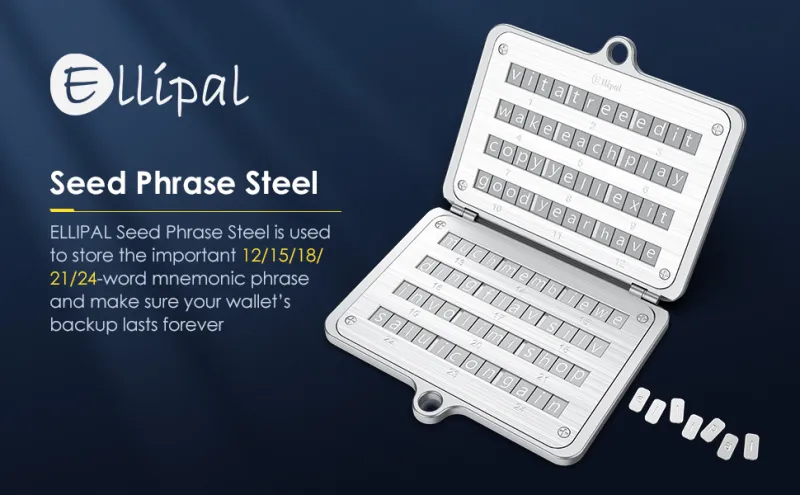
- The recovery phrase itself stays offline and physically secure. Think fireproof safe at home, a safe deposit box (check your bank's policy on storing crypto materials first), or a metal backup plate.
- Instructions for finding it go in your estate documents. A letter of instruction — a plain-language document your attorney can attach to your estate plan — should tell your executor that a HashPack wallet exists, roughly what it holds, and where to find the phrase or hardware backup.
You can even reference HashPack by name and note that it's available on desktop and mobile, so your heirs aren't left googling "how do I open a Hedera wallet" during the worst week of their lives.
Step Two: Consider a Multi-Sig Pack Account
HashPack's smart accounts — Pack Accounts — support multi-signature setups on Hedera, meaning more than one key must approve a transaction. That's not just a security feature; it's an inheritance tool.
A simple two-of-two setup, where you and your spouse (or a trusted adult child) each hold a key, means access doesn't hinge on a single person surviving. A two-of-three arrangement with a third key held by an attorney or in escrow adds another layer of redundancy.
A few honest caveats:
- Multi-sig adds friction to everyday use. If you're swapping HBAR weekly, you may want a layered approach instead — a small hot wallet for daily stuff, a multi-sig vault for the long-term stash.
- Your heirs need to understand how the setup works before they need it. Walk them through it while you're around. A multi-sig nobody understands is just a fancier lockbox.
- Test it. Do a small live transaction with all signers so everyone's confident in the process.
Step Three: Have the Actual Conversation
This is the step most people skip, and it's the one that matters most. Your estate plan is worthless if your family doesn't know it exists.
You don't need to disclose balances over Thanksgiving dinner. But someone you trust should know:
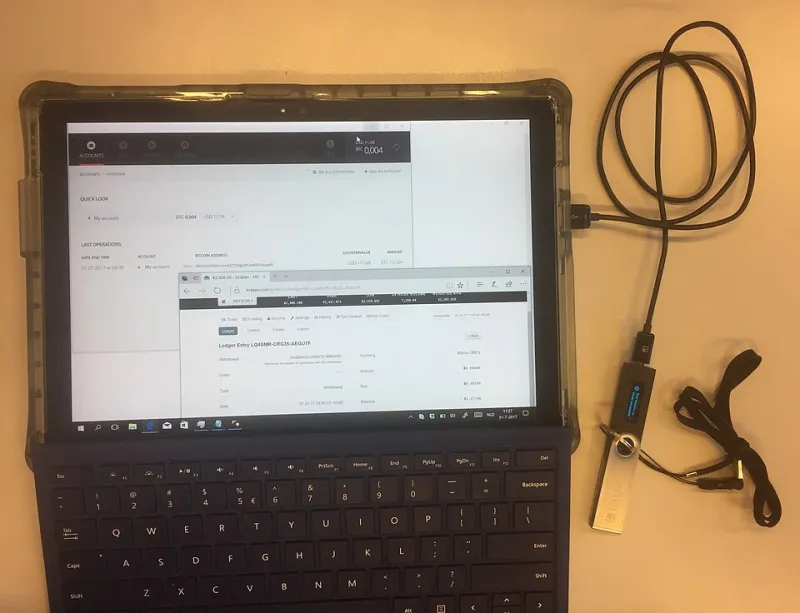
- That you hold crypto, and roughly where (HashPack, a Ledger, an exchange account).
- That a recovery phrase or hardware wallet exists and where the instructions live.
- Who to contact — an estate attorney, a crypto-savvy friend, your CPA — when the time comes.
A one-page letter stored with your important documents covers most of this. Update it whenever your setup changes. If you move your HBAR to a Ledger or reorganize into a Pack Account, the letter needs to reflect reality.
Step Four: Loop in the Legal Side
For anything beyond a modest holding, an hour with an estate attorney is money well spent. Look for one familiar with digital assets — they're increasingly common, and several states have adopted versions of the Revised Uniform Fiduciary Access to Digital Assets Act, which gives fiduciaries limited authority over digital property.
Your attorney can help you decide whether crypto should pass through the will, a revocable trust (which avoids probate entirely and stays private), or a beneficiary designation where applicable. Trusts are especially attractive for crypto precisely because they avoid the public-filing problem mentioned earlier.
And yes — crypto is taxable property. Your heirs receive what's called a stepped-up basis at death under current US tax law, which can wipe out capital gains accumulated during your lifetime. That's a genuinely good deal, but only if your executor knows the assets exist to claim it.
The One-Page Checklist
If you do nothing else after reading this, do this:
- Recovery phrase backed up offline, in at least one physically secure location
- Letter of instruction describing your HashPack setup and where the phrase lives
- Multi-sig or co-signer arrangement considered for larger holdings
- At least one trusted person knows the plan exists
- Estate attorney consulted for anything substantial
- Plan reviewed once a year
Self-custody means you're the bank — and banks have succession plans. Yours doesn't need to be complicated. It just needs to exist, be findable, and be understandable by someone who isn't you. Your future heirs will be grateful you spent an afternoon on it instead of leaving them locked out forever.